Nitric Oxide, Explained: Why One Molecule Matters So Much
Nitric oxide is a small, short-lived molecule your body produces constantly, and it plays an outsized role in how your blood vessels behave.
Understanding it explains why ingredients like L-Arginine and L-Citrulline show up so often in cardiovascular supplements.
What nitric oxide actually does
Nitric oxide (NO) is produced by cells lining the inside of your blood vessels, called the endothelium. When released, it signals the smooth muscle in vessel walls to relax, allowing the vessel to widen — a process called vasodilation.
Wider vessels mean less resistance to blood flow, which relates directly to blood pressure: more resistance generally means higher pressure, less resistance generally means lower, healthier pressure.
Why it tends to decline with age
Endothelial function — the ability of that vessel lining to produce nitric oxide efficiently — tends to decline gradually with age, and can be further affected by factors like reduced activity, diet, and other cardiovascular risk factors. This decline is a genuine, well-documented part of cardiovascular aging research.
Where amino acids fit in
Nitric oxide is synthesized from the amino acid L-Arginine, via an enzyme process in endothelial cells. This is why L-Arginine supplementation has been studied for decades in cardiovascular contexts — it's supplying more of the direct raw material the body already uses for this process.
L-Citrulline enters the picture because dietary L-Arginine is broken down significantly during digestion before it reaches circulation. L-Citrulline, converted to L-Arginine primarily in the kidneys, bypasses much of that early breakdown, which is part of why the two are often combined.
What this doesn't mean
Supporting nitric oxide production through diet or supplements is not the same as treating diagnosed hypertension, and it doesn't replace prescribed blood pressure medication, which works through different, more direct pharmacological mechanisms at controlled doses.
Where BloodPril fits this picture
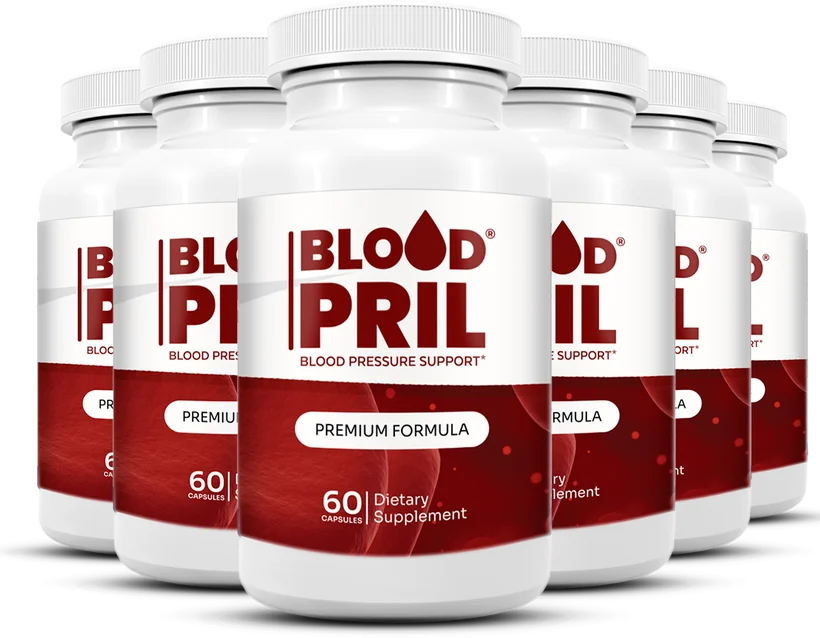
BloodPril's combination of L-Arginine HCl, L-Arginine Alpha-Ketoglutarate and L-Citrulline Malate is built directly around this nitric oxide pathway. Whether it produces a meaningful effect for any individual depends on many factors, but the underlying mechanism is grounded in real, established vascular biology.